

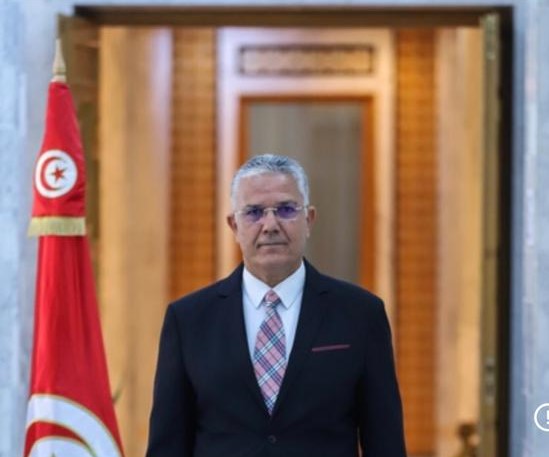
HE, Mr. Sami Nagga, Ambassador of Tunisia: „We have a strategic partnership with Romania rooted in shared values and common aspirations.”
Tunisia and Romania: A Strategic Partnership Rooted in Shared Values and Common Aspirations
Relations between Tunisia and Romania are distinguished by a long-standing friendship and a shared attachment to the principles of dialogue, openness, and mutual respect. Both nations, heirs to rich cultural traditions and ancient civilizations at the crossroads of the Mediterranean and Europe, have built over the decades a solid partnership marked by convergence of values and complementarity of interests.
Tunisia and Romania are united not only by their commitment to peace, solidarity, and human development, but also by their belonging to the Francophonie, which remains a privileged space for cultural exchange and intellectual cooperation. This common linguistic and cultural heritage reinforces mutual understanding and facilitates the creation of bridges between their peoples, particularly through education, culture, and youth exchange programs.
Building on this strong foundation, the two countries are determined to further develop their relations in all fields, particularly at the economic, scientific, and technological levels, with the ambition of transforming this shared heritage into tangible opportunities for sustainable growth.
A New Dynamic of Economic Cooperation
In keeping with its commitment to strengthening bilateral economic ties, the Embassy of Tunisia in Bucharest continues to play an active role in the promotion of trade and investment between Tunisia and Romania. The Embassy participates regularly in major economic forums and investment platforms, notably those organized by the Avan-Garde Group, Zoom Investment Forums, and various local authorities, including meetings with mayors, business leaders, and representatives of regional development agencies. These engagements reflect Tunisia’s proactive approach to deepening cooperation at both the institutional and territorial levels, and to fostering direct partnerships between private actors in the two countries.
As part of this dynamic, the Embassy recently coordinated the Tunisian Economic Mission to Bucharest and Constanța, which brought together a high-level delegation composed of the President of CONECT International, the Foreign Investment Promotion Agency (FIPA), the Export Promotion Center (CEPEX), and around twenty Tunisian business leaders operating in key sectors such as agri-food industries, renewable energy, pharmaceuticals, mechanical engineering, and ICT.
During this mission, the Tunisian delegation held constructive discussions with Romanian counterparts and conducted several field visits to major farms, agribusinesses, and industrial companies, with the aim of identifying new opportunities for cooperation, technology transfer, and joint investment. These meetings helped strengthen mutual understanding of market needs and capacities, laying the groundwork for sustainable and mutually beneficial partnerships between Tunisian and Romanian enterprises.
The Embassy’s economic diplomacy program remains focused on enhancing the visibility of Tunisia’s strategic advantages, encouraging business mobility, and facilitating the exchange of expertise between both sides. Through its initiatives, the Embassy continues to promote Tunisia as a reliable, competitive, and strategic partner within the Euro-Mediterranean and African spaces, capable of serving as a gateway for Romanian investment toward African markets and a bridge for Mediterranean cooperation.
Shared Vision within a European and Mediterranean Framework
Tunisia and Romania share a common vision of open, competitive, and integrated economies. Romania’s membership in the European Union and Tunisia’s status as the first Southern Mediterranean country to sign an Association Agreement with the EU in 1995 provide a stable and mutually beneficial framework for cooperation.
Today, over 73% of Tunisia’s exports are directed toward the European market, underscoring its deep economic integration with Europe. This European dimension, combined with Tunisia’s economic reforms and strong industrial base, creates favorable conditions for the establishment of joint ventures and co-investment projects in line with European standards and sustainability objectives.
The total value of bilateral trade between Tunisia and Romania currently stands at approximately 400 million euros, with the shared ambition of reaching 1 billion euros in the near future. This target reflects the strong complementarity of their economies and the confidence both sides place in the future of their partnership.
Olive Oil: A Symbol of Excellence and Shared Taste for Quality
Among the promising fields of cooperation, agriculture and the agri-food industry occupy a special place. Tunisia is globally recognized as one of the leading producers and exporters of organic and high-quality olive oil. The Embassy of Tunisia is committed to promoting this emblematic product in the Romanian market by highlighting its nutritional value, authenticity, and environmental sustainability. New partnerships are being encouraged between Tunisian producers and Romanian distributors to expand access and develop value-added transformation chains.
Tunisia: A Regional Hub and Gateway to Africa
Beyond the bilateral dimension, Tunisia offers strategic opportunities for Romanian enterprises seeking to expand their footprint in African markets. Its geographical position, modern infrastructure, and membership in regional groupings such as the Common Market for Eastern and Southern Africa (COMESA) position Tunisia as a gateway to a market of over 500 million consumers.
This regional outreach opens the way to triangular cooperation involving partners from Eastern Europe, Africa, and the Middle East, offering new prospects for joint projects, technology transfer, and sustainable development initiatives.
A Shared Commitment to Sustainable Prosperity
Through these initiatives, Tunisia and Romania reaffirm their determination to build a partnership based on trust, innovation, and shared prosperity. Their collaboration embodies the principles of economic openness and solidarity that define their respective foreign policies and reflect their shared desire to contribute to a more stable, interconnected, and prosperous Euro-Mediterranean and African space.
By combining their strengths — Tunisia’s strategic position and dynamic private sector with Romania’s industrial and technological expertise — both countries are laying the foundations for a renewed partnership for the future, capable of meeting the challenges of the 21st century and creating new opportunities for their peoples.


